
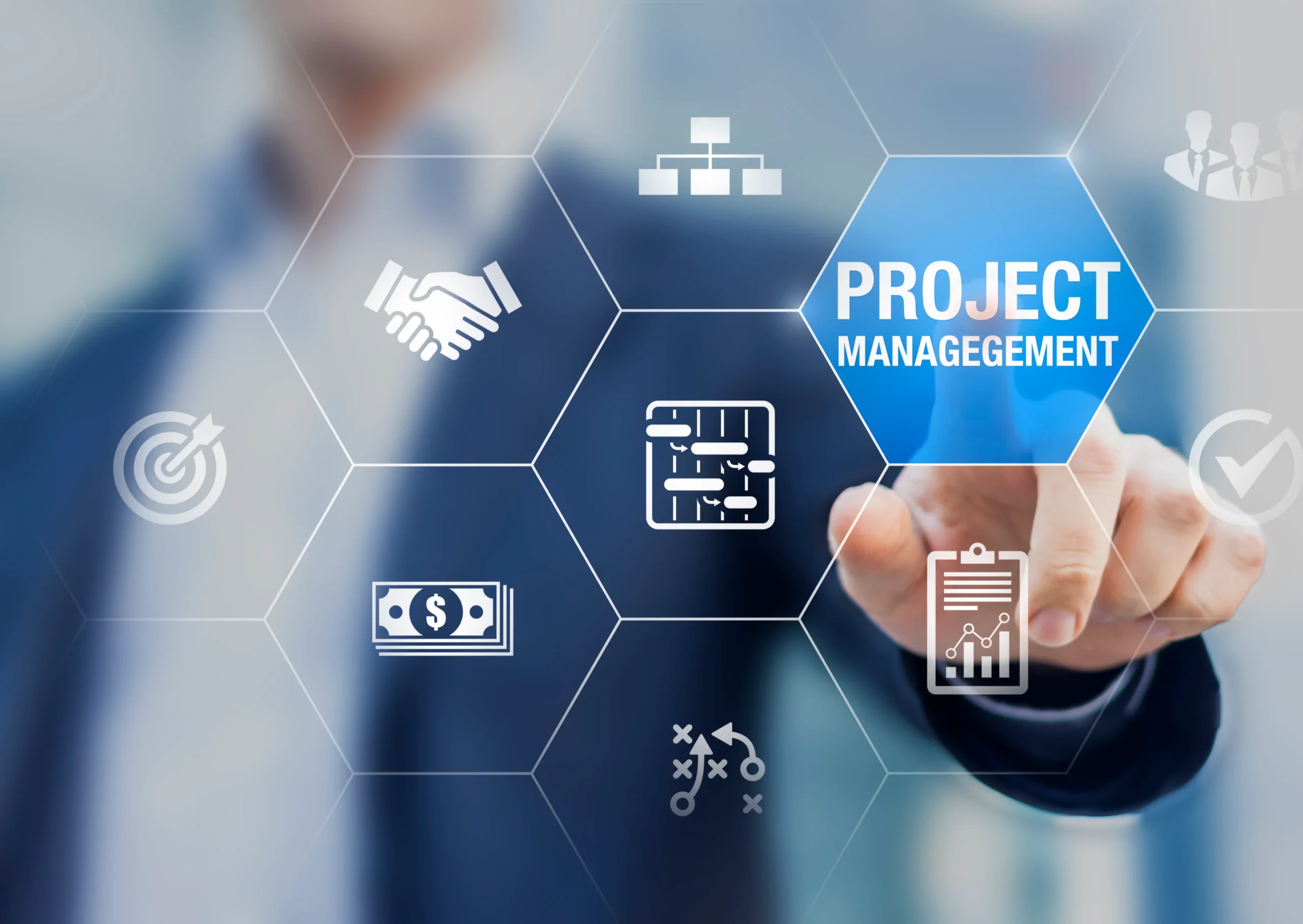
Entrepreneurship and project management are two distinct yet interconnected realms that drive innovation, efficiency, and success in today’s business landscape. While entrepreneurship fuels the inception of novel ideas and ventures, project management ensures the structured execution of these ideas into tangible outcomes.
Table of contents
Introduction to Entrepreneurship

Entrepreneurship embodies the spirit of innovation, fostering the creation of new products, services, or even entire industries. It’s the art of identifying opportunities, taking calculated risks, and steering these opportunities toward viable business ventures. Entrepreneurs are visionaries who thrive on converting ideas into reality, often defying conventional norms to bring about change.
Defining Project Management
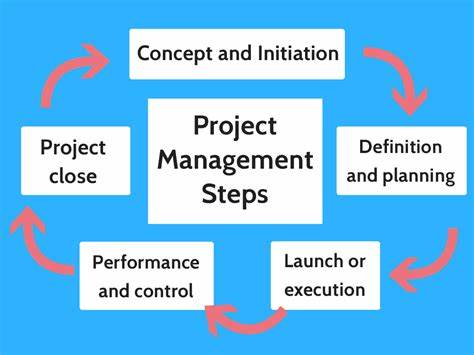
On the other hand, project management is the systematic approach to initiating, planning, executing, controlling, and closing a project, ensuring its successful completion within predetermined constraints. It involves coordinating resources, managing timelines, mitigating risks, and achieving specific objectives within a given scope.
Initiating:
- Identifying the project’s purpose, goals, and stakeholders.
- Conducting feasibility studies and defining the project scope.
Planning:
- Creating a detailed roadmap outlining tasks, timelines, resources, and budget.
- Developing strategies to achieve project objectives.
- Risk assessment and mitigation planning.
Executing:
- Putting the plan into action by allocating resources, assigning tasks, and managing teams.
- Ensuring effective communication and collaboration among team members.
- Adapting to unforeseen changes while maintaining progress.
Controlling:
- Monitoring project progress against the established plan.
- Implementing corrective measures to address deviations from the plan.
- Managing changes and scope creep while maintaining project quality
Intersecting Points: Entrepreneurship and Project Management
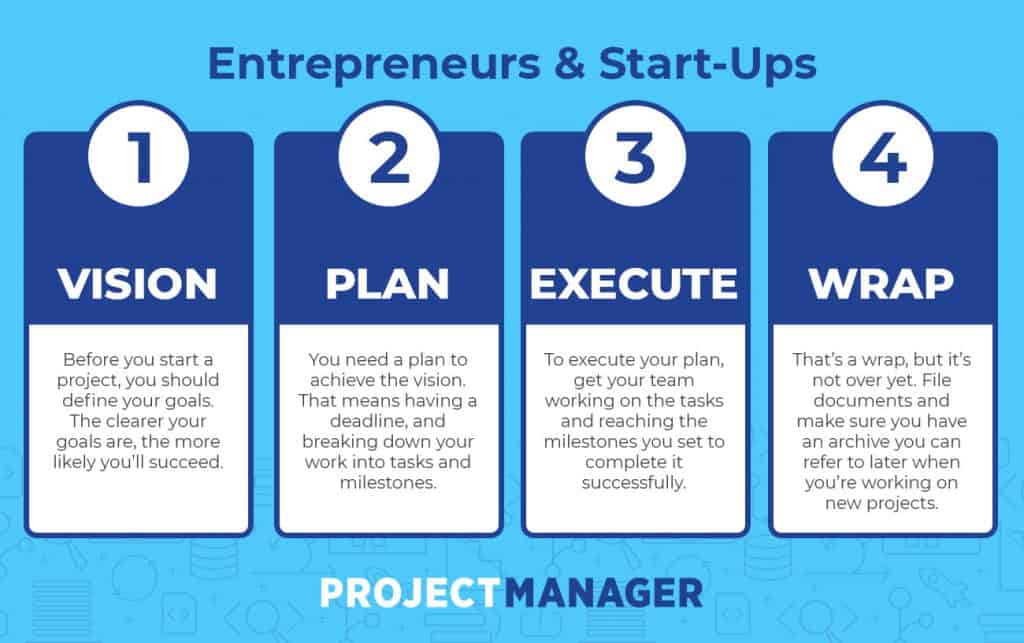
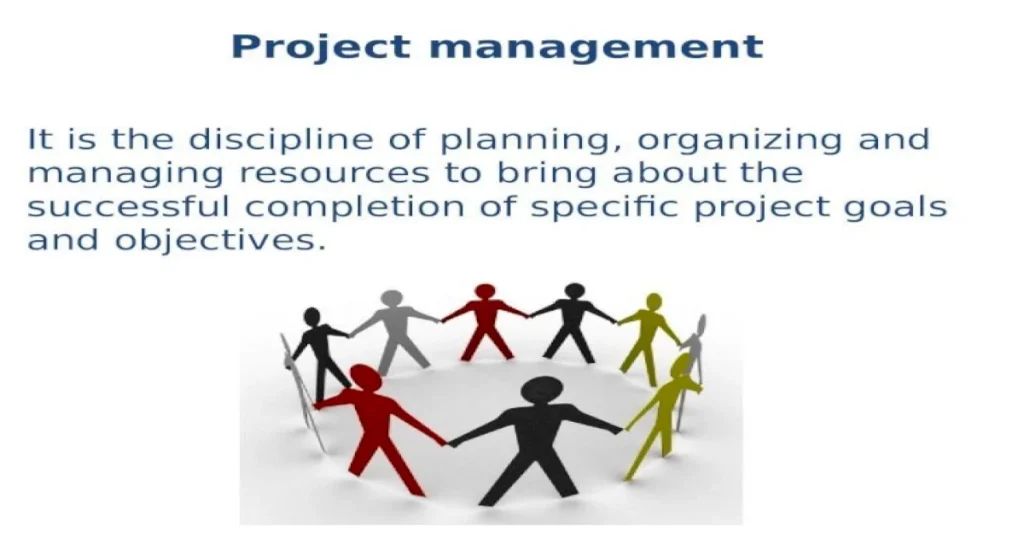
Despite their apparent differences, entrepreneurship and project management share common ground. Both disciplines require effective leadership, strategic planning, and the ability to adapt to changing environments. Entrepreneurs often employ project management methodologies to streamline their innovative endeavors, ensuring they stay on track and achieve their goals efficiently.
Key Components of Entrepreneurship
In entrepreneurship, several fundamental components drive success. Vision and innovation serve as the cornerstone, where entrepreneurs envision possibilities and create innovative solutions to address market needs. The willingness to take risks and adapt to evolving circumstances is another vital trait that distinguishes successful entrepreneurs.
| Component | Description |
| Vision | The ability to envision opportunities, set long-term goals, and steer the business towards a defined future direction. |
| Innovation | Creating novel solutions, products, or services that fill a gap or solve a problem in the market in a unique way. |
| Risk-taking | Embracing calculated risks, being comfortable with uncertainty, and making bold decisions despite potential setbacks. |
| Adaptability | Being flexible and responsive to changes in the market, consumer preferences, technology, and other external factors. |
| Resilience | The capacity to bounce back from failures, setbacks, and challenges while staying determined and focused on the goal. |
| Networking | Building strong connections, collaborations, and partnerships that offer support, resources, and opportunities. |
Resource Management
Moreover, effective resource management, including financial, human, and technological resources, is imperative. Entrepreneurs must optimize these resources to maximize their venture’s potential while minimizing wastage and inefficiencies.
Project Management Principles
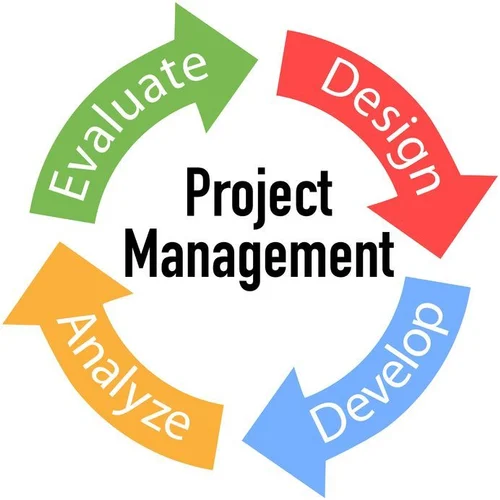
In the realm of project management, specific principles govern successful project execution. Planning and organizing form the bedrock, as a well-structured plan delineates the project’s scope, objectives, and milestones. It serves as a roadmap guiding the team throughout the project lifecycle.
Risk Management in Projects
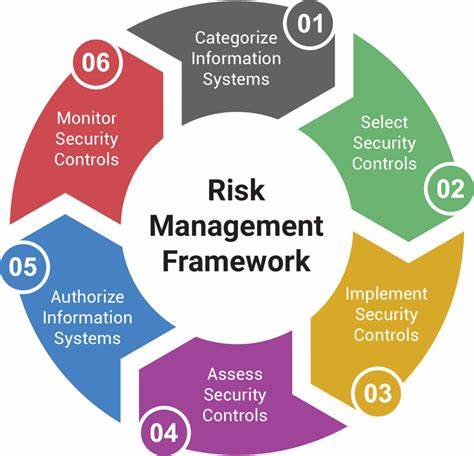
Furthermore, risk management plays a pivotal role. Identifying potential risks, assessing their impact, and devising strategies to mitigate or address these risks ensures smoother project progress and minimizes disruptions.
Conclusion
Entrepreneurship and project management complement each other, with entrepreneurial ventures often employing project management methodologies to ensure efficient execution. Embracing the principles from both domains can significantly enhance the success rate of innovative initiative.
Readmore:
Enterprise and Entrepreneurship: The Difference
Women’s Entrepreneurship Development in India: Empowering Futures
The Growth of Women Entrepreneurship
FAQS
Entrepreneurship is about innovation and bringing ideas to life, while project management ensures those ideas become tangible through structured planning and execution.
Entrepreneurs often utilize project management methodologies to organize their ventures effectively. They create detailed plans, manage resources, and mitigate risks just as project managers do.
Successful entrepreneurs possess vision, innovation, risk-taking ability, adaptability, resilience, and networking skills.
Effective resource management—be it financial, human, or technological—is vital for entrepreneurs. Optimizing these resources ensures maximum potential for their ventures.